Get Plumbing Line Installation
Plumbing line installation services help property owners replace, repair, or add water and waste pipes for new construction, renovations, or fixing leaks and blockages.
Property owners considering plumbing line installation often recognize the importance of reliable, properly planned work to ensure their property's functionality and longevity. Whether upgrading existing systems, adding new fixtures, or preparing for a renovation, exploring local contractor options can help identify experienced service providers equipped to handle these projects efficiently and effectively. Taking the time to compare local plumbing specialists allows property owners to find professionals who understand the specific needs of their area and property type.
Continuing to explore available options can provide valuable insights into the range of services offered by local contractors. By reviewing different providers, property owners can better understand the scope of work involved and select experienced professionals capable of managing plumbing line installation with precision. This approach supports informed planning and helps ensure the chosen service providers meet the specific requirements of each project.
- New Plumbing Line Installation - needed when installing a new fixture or appliance that requires a fresh water supply.
- Kitchen Plumbing Line Replacement - required when upgrading or repairing outdated or damaged kitchen water lines.
- Bathroom Plumbing Line Repair - necessary to fix leaks or clogs in bathroom water lines that disrupt daily routines.
- Outdoor Plumbing Line Installation - essential for setting up sprinkler systems or outdoor water features.
- Commercial Plumbing Line Services - needed for large-scale projects or renovations in office buildings and retail spaces.
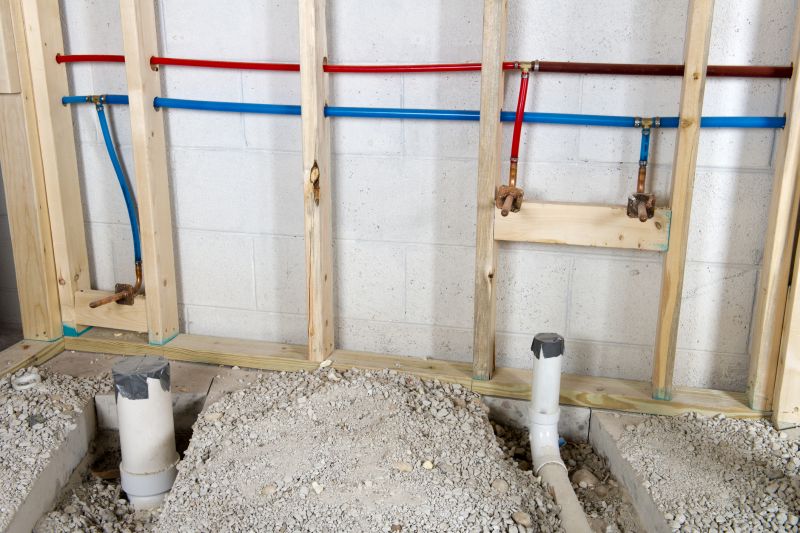
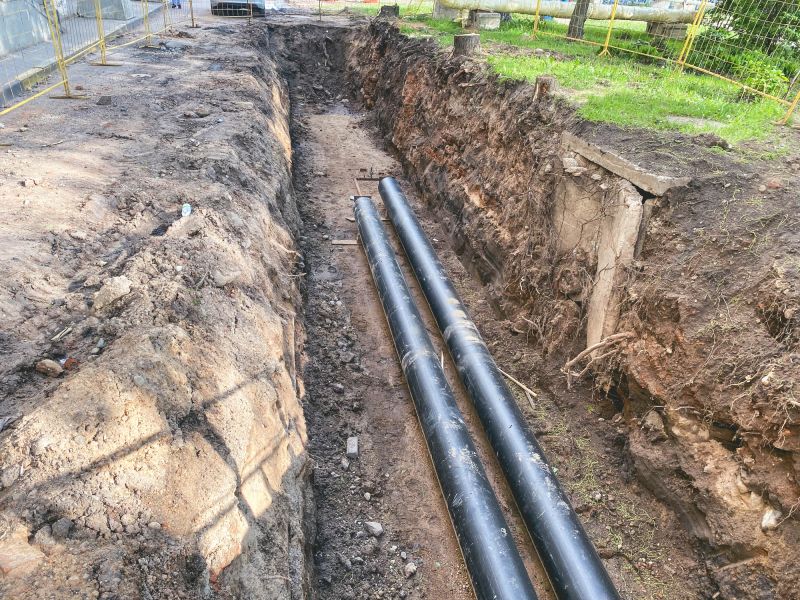
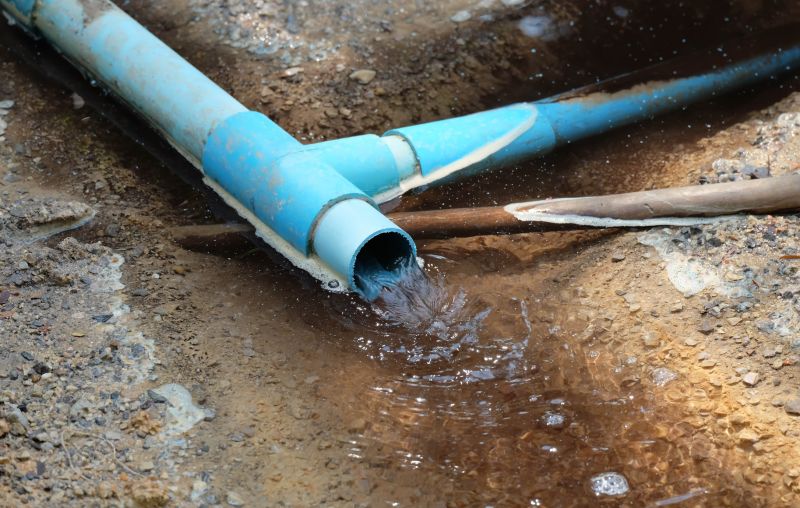
Plumbing line installation services involve setting up the essential pipes that deliver fresh water to a property and remove wastewater efficiently. This process includes planning the layout, selecting appropriate piping materials, and installing the lines throughout the property’s foundation and walls. Proper installation ensures that water flows reliably to fixtures such as sinks, toilets, and appliances, while also providing a secure pathway for waste to exit the building. Professional contractors focus on precise connections and adherence to plumbing standards to prevent leaks and future issues.
These services help solve common plumbing problems like low water pressure, frequent leaks, or frequent clogging caused by outdated or improperly installed pipes. When a property experiences persistent plumbing issues, or when new fixtures or appliances are added, a plumbing line installation may be necessary to upgrade or replace existing lines. Proper installation can also prevent costly repairs down the line by ensuring the entire plumbing system functions smoothly and efficiently from the start.
Properties that typically require plumbing line installation include new construction homes, major renovations, and commercial buildings, but homeowners with older plumbing systems may also need upgrades or rerouting. Whether a house is being built from the ground up or an existing property needs new water supply lines or waste pipes, local contractors can provide the expertise needed to ensure the plumbing system is correctly set up. This service is essential for maintaining reliable water access and proper waste disposal in any property.
Homeowners should consider plumbing line installation services when experiencing issues with water delivery or waste removal, or when planning significant plumbing upgrades. Properly installed lines contribute to the overall functionality of a property’s plumbing system, reducing the risk of leaks, blockages, and water damage. Connecting with experienced local service providers can help ensure the job is done correctly, supporting the long-term performance and safety of the property’s plumbing infrastructure.
The overview below groups typical Plumbing Line Installation projects into broad ranges so you can see how smaller, mid-sized, and larger jobs often compare in your area.
In many markets, a large share of routine jobs stays in the lower and middle ranges, while only a smaller percentage of projects moves into the highest bands when the work is more complex or site conditions are harder than average.
Smaller Repairs - Typical costs for routine repairs like fixing leaks or replacing a section of pipe range from $150 to $600. Many common jobs fall within this middle range, though prices can vary based on the extent of the repair and local rates.
Fixture Installations - Installing new fixtures such as sinks or toilets generally costs between $200 and $800. Larger, more complex installations may reach $1,200 or more, but most projects stay within the lower to mid-range brackets.
Full Line Replacement - Replacing an entire plumbing line usually costs between $2,500 and $7,500, depending on the size of the property and complexity. Many projects fall into the middle of this range, with some larger or more intricate jobs exceeding $10,000.
Major Plumbing Overhaul - Extensive plumbing upgrades or rerouting can range from $10,000 to $25,000 or more. These larger projects are less common but are handled by local contractors for properties requiring significant system updates.
Actual totals will depend on details like access to the work area, the scope of the project, and the materials selected, so use these as general starting points rather than exact figures.
Water Heater Installation - involves installing and connecting plumbing lines to ensure proper water flow and temperature control in residential or commercial settings.
Bathroom Remodel Plumbing - requires rerouting and installing new plumbing lines for sinks, toilets, and showers, utilizing similar planning and pipe-fitting skills.
Kitchen Plumbing Upgrades - includes installing or replacing supply and drain lines for sinks and appliances, demanding precise pipe layout and connection techniques.
Sewer Line Repairs - involves diagnosing and repairing underground sewer lines, requiring expertise in pipe excavation and line replacement planning.
Hydronic Heating System Installation - entails setting up complex piping networks for radiant heating, sharing skills in pipe layout and system integration.
Fire Sprinkler System Installation - involves installing specialized piping networks for fire suppression, requiring similar knowledge of pipe planning and fitting skills.
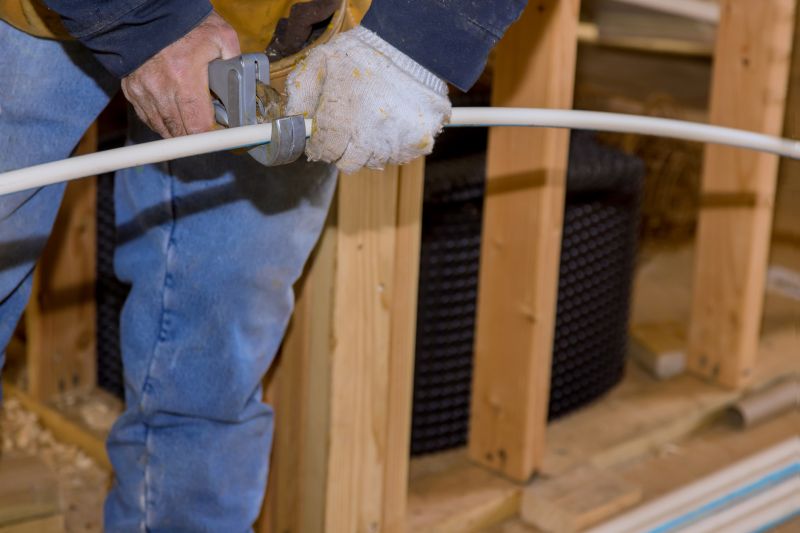
When comparing local contractors for plumbing line installation, it’s important to consider their experience with similar types of projects. Homeowners should look for service providers who have a proven track record of handling plumbing line installations comparable to the scope and complexity of the work needed. This helps ensure that the contractor understands the specific challenges involved and has the skills necessary to complete the job effectively. Asking for examples of past work or references related to similar projects can provide insight into their expertise and reliability.
Clear written expectations are essential for a smooth project process. Homeowners should seek out local service providers who can provide detailed descriptions of the work scope, materials to be used, and the steps involved in the installation. Having these expectations documented helps prevent misunderstandings and ensures everyone is aligned on what will be delivered. It’s also wise to discuss any questions or concerns beforehand to clarify the process and avoid surprises during the project.
Good communication and reputable references are key indicators of a dependable contractor. Service providers who are responsive and transparent in their interactions tend to be easier to work with and more likely to deliver satisfactory results. Additionally, requesting references from previous clients who had similar work done can help gauge the contractor’s professionalism, quality of work, and ability to meet deadlines. Homeowners should prioritize local pros who can demonstrate a history of positive client experiences and clear, ongoing communication throughout the project.
Property owners use Plumbing Line Installation services for practical projects around their homes and businesses. This guide focuses on everyday jobs and straightforward project options.
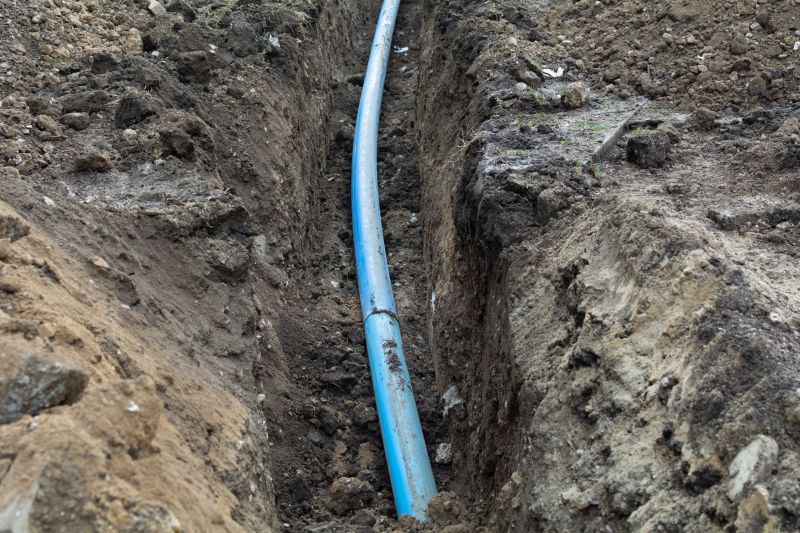
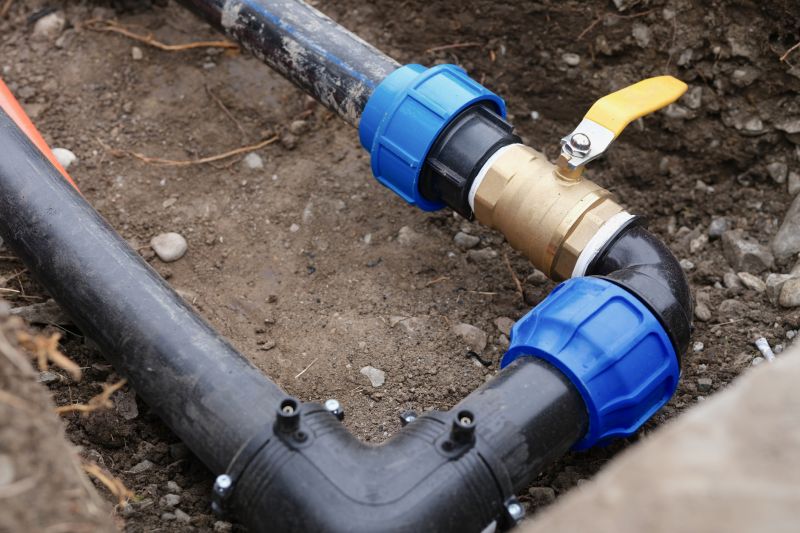
Plumbing line installation services are often needed during major home renovations, new construction projects, or when existing pipes become outdated or damaged. Property owners might seek local contractors to upgrade old piping systems, install new lines for additions like bathrooms or kitchens, or replace corroded or leaking pipes to prevent future issues. These projects are essential for maintaining proper water flow and ensuring the plumbing system functions safely and efficiently.
In addition, property owners may look for local service providers when experiencing persistent plumbing problems such as low water pressure, frequent leaks, or blockages. Whether installing underground lines for irrigation or rerouting pipes to accommodate remodeling plans, local contractors can handle a variety of line installation needs. Connecting with experienced professionals helps ensure the work is done correctly and reduces the risk of future plumbing complications.
What is involved in plumbing line installation? Plumbing line installation includes setting up new pipes or replacing existing ones to ensure proper water flow and drainage within a property. Local contractors can assess your space and handle the installation process efficiently.
How do I know if my plumbing lines need to be replaced? Signs such as persistent leaks, low water pressure, or frequent clogs may indicate the need for new plumbing lines. Service providers can evaluate your system to determine the best course of action.
What types of materials are used for plumbing line installation? Common materials include copper, PEX, and PVC pipes. Local plumbers can recommend suitable options based on your plumbing needs and property specifications.
Can existing plumbing lines be upgraded or extended? Yes, experienced contractors can upgrade, extend, or reroute existing plumbing lines to accommodate renovations or improvements in your property.
What should I consider when planning a plumbing line installation? Factors such as the layout of your property, local building codes, and the purpose of the plumbing system are important. Consulting with local service providers can help plan a suitable installation.
New Home Plumbing Installation - Property owners building a new house can find local contractors to install essential plumbing lines throughout the property.
Kitchen or Bathroom Remodels - Upgrading fixtures often requires rerouting or installing new plumbing lines, which local service providers can handle.
Emergency Leak Repairs - When unexpected leaks occur, local pros can quickly install temporary or permanent plumbing solutions to prevent water damage.
Adding Outdoor Water Lines - Installing new outdoor spigots or irrigation systems involves running plumbing lines to enhance landscaping or gardening projects.
If you are thinking about Plumbing Line Installation for a property, this guide is meant to help you understand the work, the typical project types, and how different options might fit your plans.
When you are ready, you can use the quote form on this page to share a few details about your project. From there, local pros can review the basics and respond with options that match what you have in mind.